A region in flames: Patagonia battles raging WILDFIRES
01/12/2026 / By Willow Tohi
- Raging wildfires in Argentina’s Patagonia region have burned thousands of hectares, threatening communities and a major tourist area.
- Over 3,000 residents and tourists have been evacuated, with at least ten homes destroyed.
- Nearly 500 personnel, aided by aircraft from Argentina and Chile, are battling the blazes amid challenging conditions.
- Provincial authorities suspect arson and are investigating, with a reward offered for information.
- The fires echo devastating blazes from the previous year, highlighting regional vulnerability to intensifying wildfire seasons.
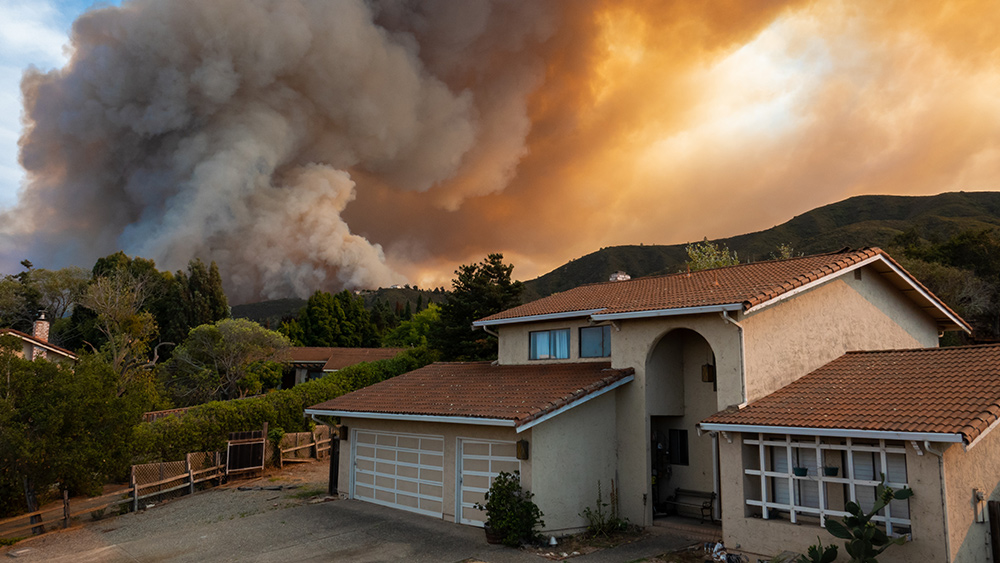
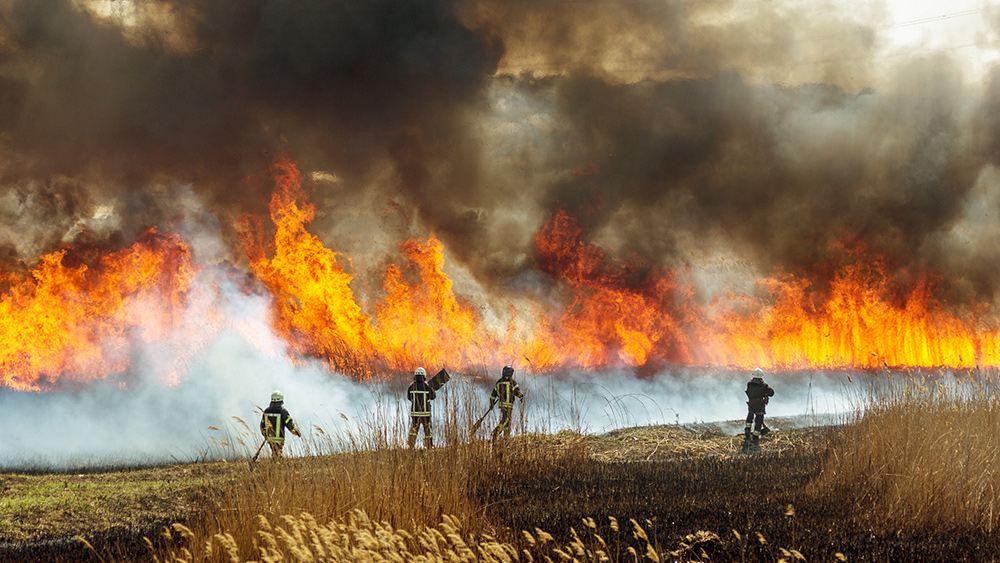
A devastating wildfire complex, suspected to be deliberately set, is ravaging the forested heart of Argentine Patagonia, forcing the evacuation of thousands and consuming over 5,500 hectares of land. Since igniting on January 5, the inferno has swept through the scenic Comarca Andina region of Chubut province, a popular tourist destination known for its Andes mountain lakes and forests. Hundreds of firefighters, supported by aerial assets from Argentina and neighboring Chile, are engaged in a desperate battle against the flames, which officials have labeled the province’s worst environmental tragedy in two decades.
A swift and devastating spread
The fires erupted in early January amid a backdrop of drought conditions and strong winds, classic precursors to a severe wildfire season in the Southern Hemisphere’s summer. The blazes quickly coalesced into major fronts concentrated around the areas of Epuyén, El Hoyo and the Puerto Patriada lake resort. The rapid advance prompted immediate evacuation orders. Provincial Governor Ignacio Torres reported that more than 3,000 tourists and dozens of locals were moved from Puerto Patriada alone. The municipality of El Maitén advised residents to prepare to leave, while preventative evacuations were implemented in the El Pedregoso and Aldea San Francisco areas. Initial assessments confirm at least ten homes have been destroyed.
A massive and international response
The firefighting operation has mobilized nearly 500 personnel, including firefighters, rescuers, security forces and support staff. The effort is notably interagency and international. Governor Torres stated that eight aircraft are operating over the Puerto Patriada fire, with additional aerial support and ground crews provided by Chile and the Argentine province of Córdoba. These crews are focusing on reinforcing firebreaks, cooling hotspots and clearing roads to contain the blaze’s spread. However, their work has been severely hampered by massive smoke columns that reduce visibility for ground teams and pilots alike.
The shadow of arson and a hefty reward
While the official cause remains under investigation, provincial authorities have strongly indicated they believe the largest fire was intentionally set. Governor Torres announced a reward of 50 million Argentine pesos (approximately $34,000) for information leading to the arrest of those responsible, vowing that “the wretches who started the fire are going to end up in jail.” Judicial investigators are working to corroborate the arson allegations. This suspicion adds a layer of tragedy to the disaster, suggesting human malice compounded the natural risk factors of heat, wind and dry vegetation.
An alarming pattern
This crisis is not an isolated event but part of an alarming pattern for the region. It marks the first large-scale wildfire of 2026, arriving just one year after the worst forest fires in decades scorched tens of thousands of hectares in Patagonia, destroyed dozens of homes and claimed at least one life. The recurrence of such intense blazes in consecutive years underscores a heightened vulnerability. Scientists and fire managers note that climate change is exacerbating the conditions—prolonged drought, higher temperatures and stronger winds—that turn the picturesque Patagonian landscape into a tinderbox during the summer months.
A critical juncture for Patagonia
As the firefight continues, the focus remains on containment and community safety. The National Fire Management Service has issued its highest-level red alert for fire danger across eight central and southern provinces, signaling widespread risk. The situation remains fluid, with active fires also reported in the nearby province of Neuquén. For the evacuated residents and the nation watching, the blazes represent both an immediate catastrophe and a stark warning. They highlight the escalating threat of wildfires in a changing climate and the profound consequences when natural disaster is potentially compounded by human action.
A landscape forever altered
The true toll of the Patagonia wildfires will be measured long after the last ember is extinguished. Beyond the charred hectares and destroyed properties lies a damaged ecosystem and a shaken community. The region’s recovery will be arduous, requiring not only rebuilding but also a critical re-evaluation of land management and fire prevention strategies in an era of increasing climatic volatility. For now, the relentless work of firefighters offers the only hope of halting the destruction, as a nation waits to see if its beloved Patagonian wilderness can be saved from the flames.
Sources for this article include:
Submit a correction >>
Tagged Under:
Argentina, arson, bugout, chaos, Collapse, community safety, Dangerous, disaster, evacuation, natural disaster, panic, patagonia, preparedness, red alert, SHTF, survival, wildfire
This article may contain statements that reflect the opinion of the author
RECENT NEWS & ARTICLES